


%201.png)
Building The Projects of 2030

The construction industry is standing at the edge of a technological revolution that will fundamentally reshape how we manage projects by 2030. After decades of relying on spreadsheets, paper schedules, and gut instincts, AI-driven project controls are delivering on the promise of truly intelligent construction management.
I've been watching this transformation unfold across our industries, and the changes happening right now are just the beginning. The projects we'll be building in 2030 will look nothing like what we're managing today.
The Current AI Revolution in Project Controls
Right now, construction firms are already seeing dramatic improvements from AI implementation. Data-driven project controls are automating the scheduling of labor and equipment, preventing delays through predictive analytics that can spot problems weeks before they happen.
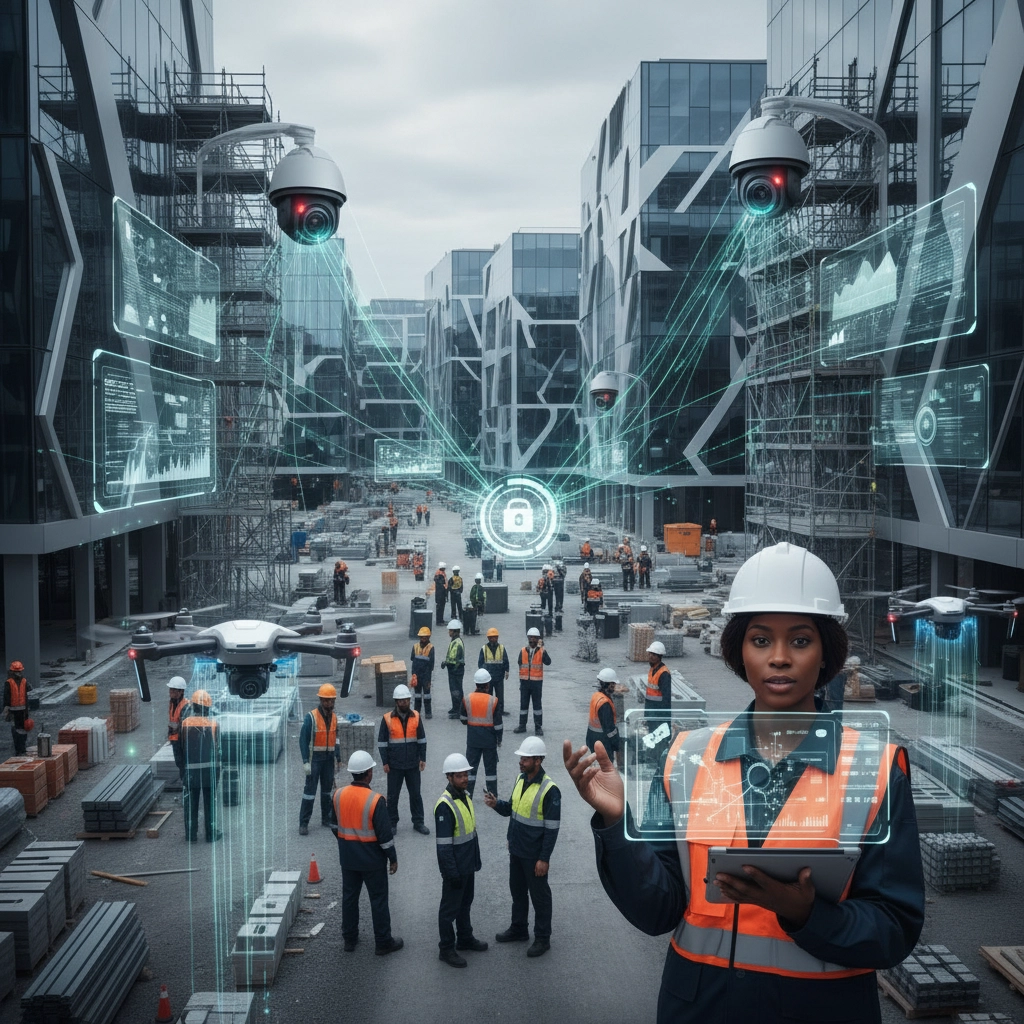
The most impactful changes I'm seeing involve automated progress tracking. AI-enabled cameras and drones are tagging and relaying data to stakeholders in real-time, cross-referencing actual conditions against plans to identify deviations immediately. This isn't just fancy technology: it's fundamentally changing how project managers spend their days.
Instead of walking job sites with clipboards, project managers are getting instant alerts when AI-powered systems detect safety issues or schedule deviations. The cameras are capturing job site activities continuously, tracking safety compliance and quality control continuously.
What's Already Working: Real Benefits Today
The productivity gains are substantial. AI scheduling systems analyze multiple variables to uncover alternative project sequences, reducing man-hours and limiting delays through optimal scheduling. One client told me their AI system identified a sequence adjustment that saved three weeks on a $50M project: just by optimizing the critical path.
Cost overrun prevention is another major win. Workflow optimization keeps construction processes on the critical path, while AI systems alert management to deviations before they become expensive problems. These tools are cutting inefficiencies from repetitive tasks and manual processes, giving early adopters a significant competitive edge.
Risk management has been transformed through AI and computer vision intelligence. Construction companies are avoiding delays from safety incidents by receiving real-time alerts whenever systems detect safety issues. The technology is helping firms de-risk projects while dramatically improving communication and reducing manual errors.
The 2030 Vision: Four Game-Changing Technologies
Looking ahead to 2030, four emerging technologies will completely transform construction project controls.
AI-Generated Design-to-Build Workflows will enable systems to generate complete architectural and construction workflows automatically. These systems will account for zoning laws, material availability, environmental impact, and stakeholder preferences: all in real-time. This means drastically reduced planning and design iteration time, with shorter project planning cycles, lower design costs, and virtually eliminate design errors through instant compliance checks.
Robotic Swarms for Autonomous Construction represent the next frontier. AI-coordinated robots will collaborate on excavation, material handling, and modular assembly directly on construction sites. These autonomous systems will operate 24/7, and is said to improve safety and operational speed, particularly in high-risk or remote areas. This could result in fewer accidents, reduced labor shortages, faster build times, and round-the-clock site activity.
Generative AI for Real-Time Problem Solving will embed advanced AI platforms that analyze 3D scans, drone imagery, and sensor data to detect issues and recommend solutions instantly. This enables truly dynamic project management with immediate feedback and adjustments. The result: fewer delays, reduced rework, optimized schedules, and faster site decisions.
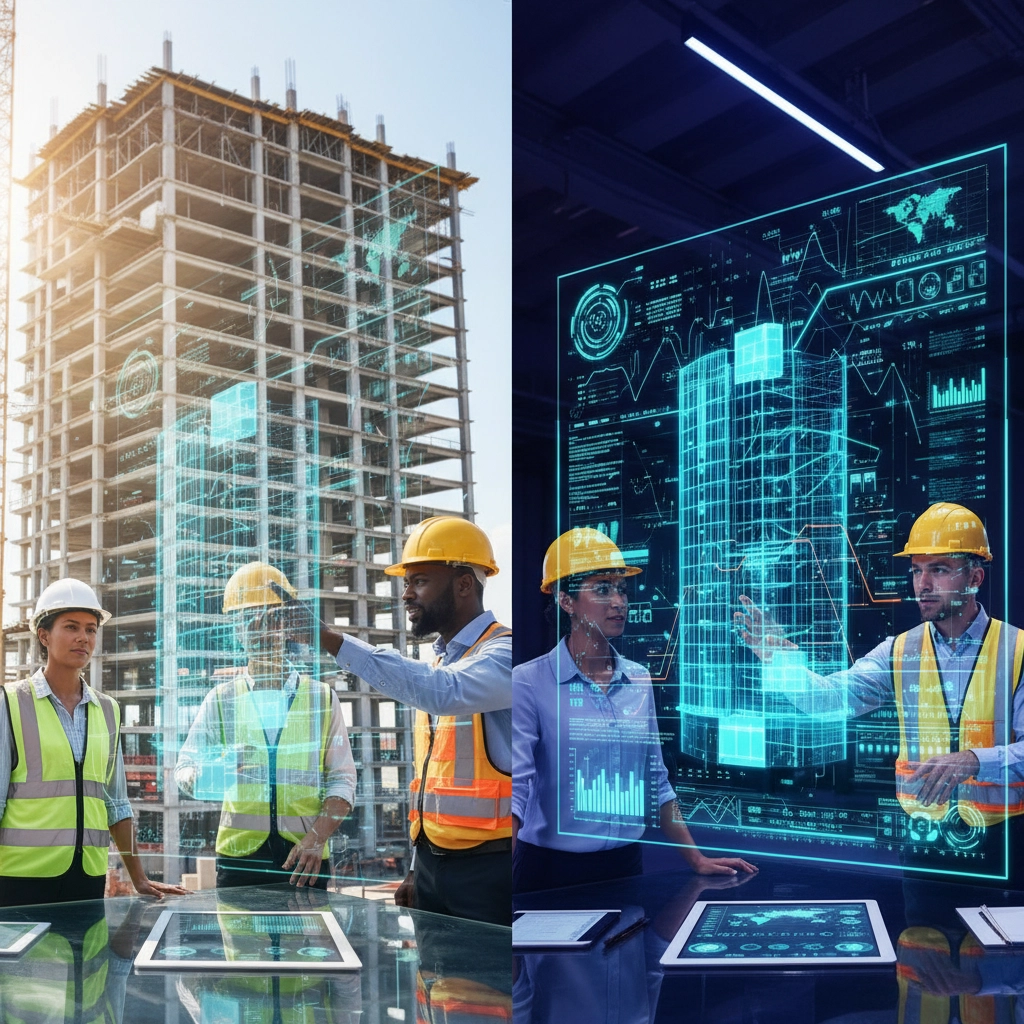
Self-Learning Digital Twins will create AI-powered virtual representations of buildings and job sites, continuously updated with real-world data. These living models will simulate scenarios and support long-term operations planning, with the expectation that this will deliver better maintenance planning, reduced lifecycle costs, and stronger handover documentation.
Why This Transformation Matters Now
As one industry expert recently noted, "The transformation impact is comparable to foundational technologies like electricity or the internet." Generative AI is positioned to become a general-purpose technology that touches every aspect of construction management.
Construction firms are already testing and adopting AI in targeted applications where data is rich and repetitive decisions can be modeled. The technology's ability to process and analyze vast datasets in real-time is creating possibilities for proactive project management that were previously impossible.
What Project Teams Should Do Right Now
The window for becoming an early adopter is closing fast. Here's what forward-thinking project managers need to do today to position their teams for 2030:
Start with data collection. Begin capturing structured data from your current projects: schedules, resource allocation, cost tracking, and progress reports. AI systems need clean, consistent data to learn from. The more quality data you have now, the better your AI systems will perform later.
Invest in integrated platforms. Move beyond spreadsheets to cloud-based project management systems that can integrate with AI tools. Look for platforms that offer API connections and real-time data sharing capabilities.
Build AI literacy within your team. Understanding AI capabilities and limitations is becoming as essential as understanding construction fundamentals. Team members don't need to become programmers, but they need to understand how to work and control AI systems effectively.
Partner with technology experts. The complexity of AI implementation requires specialized knowledge. Working with experienced AI consultants can accelerate your adoption timeline and avoid costly mistakes.
Focus on change management. The biggest barrier to AI adoption isn't technical: it's cultural. Start preparing your teams now for workflows that will be dramatically different in just five years. Upskilling is no linger an option but necessary.
The Competitive Reality
Companies that don't embrace AI-driven project controls risk being left behind entirely. The projects of 2030 will be characterized by seamless integration of AI-driven controls that optimize every aspect of construction delivery, from initial design through final handover.
This creates unprecedented levels of efficiency, safety, and predictability in an industry historically plagued by delays, cost overruns, and safety concerns. The question isn't whether AI will transform construction management: it's whether your organization will lead this transformation or be disrupted by it.
The construction firms thriving in 2030 will be those that start building their AI capabilities today. They'll have teams trained in AI-human collaboration, data systems that feed intelligent algorithms, and workflows optimized for AI-enhanced decision making.
Your Next Steps
The future of construction project management is being written right now. The decisions you make today about AI adoption will determine whether your firm leads the industry transformation or gets left behind by more forward-thinking competitors.
At Capstone Project Services, we're helping construction and energy companies navigate this transition through comprehensive project management consulting and AI implementation strategies. The time to start building your AI-driven project controls capability is now: not in 2030 when your competitors have already gained an insurmountable advantage.
The projects of 2030 will be built by companies that started preparing today. Make sure your firm is one of them.
References:

Comments